Case study · One week on site at Alex Gebäudereinigung

Process first, then AI.

Format: AI Kickstart for SMEs
Leadership, Alex Gebäudereinigung
“We used to retype delivery notes and build quotes line by line. Today we only review. The team works with noticeably more energy because the tedious manual work is gone, and we have time for what actually needs judgement.”
Leadership · Alex Gebäudereinigung GmbH
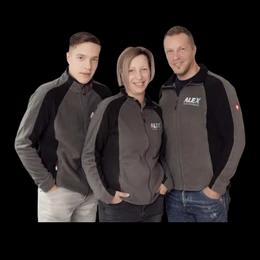
Team of Alex Gebäudereinigung GmbH
IndustryBuilding cleaning, Germany
Teams involvedLeadership, client desk, HR, site supervisors, special squad
ServicesProcess analysis and redesign, practical AI training, automation
ToolsClaude, ChatGPT, BlueTem, Google Sheets
The starting point

The company was growing, but office workflows were not. Much of the know-how lived in people's heads. An order arrived by email, phone or WhatsApp, landed in an Excel list, then was typed by hand into BlueTem, into the boss's paper calendar and onto a printed work sheet. Something could get lost at every copy.

What the team named themselves
  • Customer appointments were not booked in time
  • People were missing from the roster, or site supervisors knew nothing
  • Changes did not reach everyone
  • Sometimes an order simply disappeared
How Peakwell helped
  • Spent a week on site mapping core processes and redesigning them with the team
  • Built a practical AI crash course on Alex's real office tasks
  • Set up recurring work once in Claude: quotes, service catalogues, visit briefings, HR letters
  • Wrote a software brief (PRD) so vendors can be compared against clear criteria
One week on site

In the middle of the work, not slides in a meeting room.

Each day built on the one before. By the end there were working prototypes, trained people and a plan for what comes next.

  1. Day 1ListenWatch the work and interview every department, leadership and site supervisors.
  2. Day 2Design togetherMake workflows visible, lock use cases and quick wins that need no new software.
  3. Day 3BuildShip the quick wins and set up tools with their own templates, letterhead and language.
  4. Day 4Try it yourselvesHands-on AI training on real tasks. What worked was put into practice the same day.
  5. Day 5AnchorFold in feedback and write the next-step plan together.
1. Process analysis and redesign

Start with the work.

With leadership and the office team we wrote every core process step by step, named owners and found where things slip.

Ad-hoc jobs

Before

6 manual steps across email, Excel, BlueTem, paper calendar and work sheet, plus 4 recurring error types.

Redesigned

A shared Kanban board with 5 phases, checklists, clear ownership and automatic reminders. A weekly view surfaces conflicts.

Staff and leave planning

Before

One Excel file. Absences and cover were coordinated by phone and email.

Redesigned

A smartphone app prototype with a drag-and-drop calendar connecting HR, the client desk and site supervisors.

Delivery notes

Before

Print, fill in, scan, retype, invoice.

Redesigned

Digital delivery notes signed on site, with billing data arriving straight in the office. Dropping paper delivered the biggest win.

Software decision

Before

Frustration with the current system and unclear requirements for a new one.

Redesigned

A requirements document (PRD) with a clear MVP and wish list, so vendors can be compared fairly.

2. Practical AI training

No foreign industry examples, only their own work.

A two-hour AI crash course for the office team, built entirely on Alex's workflows.

AI literacyWhat AI is good at, where it fails, and why that matters in a cleaning company.
Prompts that workSix building blocks, practised live on complaints and translating work instructions.
Everyday AI and process AIUse it at the desk or bake it into a workflow, including who reviews.
Human-AI modelsCyborg, Centaur, Human-in-the-Loop and Human-on-the-Loop shown on real flows.
One-off or recurringAnything that happens more than once a month gets set up once.
Ground rulesClear rules for customer, staff and payroll data under GDPR.
3. Automate the small things

AI drafts, people decide.

We did not wait for new software. Recurring office tasks were set up once in Claude, with their own templates and company language.

TaskQuotes
BeforeWritten by hand after every site visit
NowNotes, photos or a voice memo in; Claude drafts the quote and cover letter
Where the human staysOn the price
TaskService catalogue
BeforeBuilt by hand for every customer
NowFinished PDF in company design with items, cadence and logo
Where the human staysConfirms the scope
TaskNew-customer visits
BeforeAd hoc, depending on time
NowBriefing, question list and ready customer email
Where the human staysRuns the visit
TaskHR letters
BeforeRewritten from scratch every time
NowTerminations and references on company letterhead
Where the human staysReviews and signs
Results

What changed in the office.

Fewer lost ordersEvery ad-hoc job has a fixed place, an owner per step and a reminder when something stalls.
Faster, consistent quotesRepeatable, in their own design and tone. What used to take about 5 hours now takes about 15 minutes.
Time savedAn estimated 10 to 15 office hours per week, mainly on delivery notes, quotes and service catalogues.
More motivationTedious retyping is gone. The office has time for work that needs attention.
A team that uses AI on purposeClear on what goes to AI, what a good prompt looks like, and where a human must approve.
A clear software briefVendors are compared against a defined MVP instead of a wish list.
What made the difference

Weigh first, then act.

Process first, then AISome of the biggest wins need no AI at all, like leaving paper delivery notes behind.
Built on their own materialEvery example, exercise and automation came from real day-to-day work.
A clear line between human and AIBefore automating, every step had a named drafter, reviewer and decision-maker.
Understand what current software already coversBuild automations on top, and give the bigger software decision a clean brief.
Next case study · DePolyTurning curiosity into capabilityRead it

Want results like these?

A free 30-minute call is enough to find the right first step for your team.

hello@peakwell.ch · (+41) 41 218 31 61 · Zürich